

Founder & Principal Master Trainer
Emad Elmaghraby
Behavioral-change capability building
Has built capability for
- Johnson & Johnson
- General Electric
- Insulet
Biography
Emad Elmaghraby is the founder and principal Master Trainer of L3 Lifelong Learnings. Over eighteen years he has built leadership and capability programs for global enterprises including GE, PwC, Standard Chartered, AIA, Emirates, PepsiCo, Marriott, DBS, and Malaysia Airlines, delivered across South Asia, ASEAN, the Gulf, and Africa.
His practice combines behavioral-change methodology with the operating realities of multinational organizations under pressure. The work is unusual in that it neither flattens cultural difference nor over-indexes on it, clients come to Emad when their leadership population needs to perform across markets, not within one.
Emad's doctoral work focuses on cultural diversity in leadership, which informs both his program design and his speaking practice. He keynotes regional executive convenings on capability-building, holds long coaching engagements with senior leaders in transition, and contributes to industry publications on the operational practice of behavioral change.
Expertise
- Leadership development
- Capability building at scale
- Executive coaching
- Behavioral-change methodology
- Cultural diversity in leadership
Credentials
- Doctoral candidate, Cultural Diversity in Leadership, University of Phoenix
- Master's in International Marketing and Globalization
- Bachelor's in Pharmacy
- Certified executive coach
Programs led
Programs the trainer designs and delivers personally.
Leadership Programs
Virtual Team Management
Lead a hybrid team without losing the room
Read the program brief
Leadership Programs
Situational Leadership
Match your style to the moment, not your habit
Read the program brief
Leadership Programs
Leading Through VUCA
Decide well when the inputs keep moving
Read the program brief
Leadership Programs
Executive Presence
Be heard the way you intended to be heard
Read the program brief
Leadership Programs
Act with Humility
The seventh habit, lived rather than recited
Read the program brief
Leadership Programs
Deliver with Focus
The Sevens' Club, turning intent into delivered outcomes
Read the program brief
Leadership Programs
Lead with Transparency
Coach and lead with values that hold under pressure
Read the program brief
Leadership Programs
Lead with EQ
Emotional intelligence as a leadership operating system
Read the program brief
Leadership Programs
360° Communication
Communicate up, across, and down with equal intent
Read the program brief
Engagements led
Featured engagements where this trainer was the practice lead.
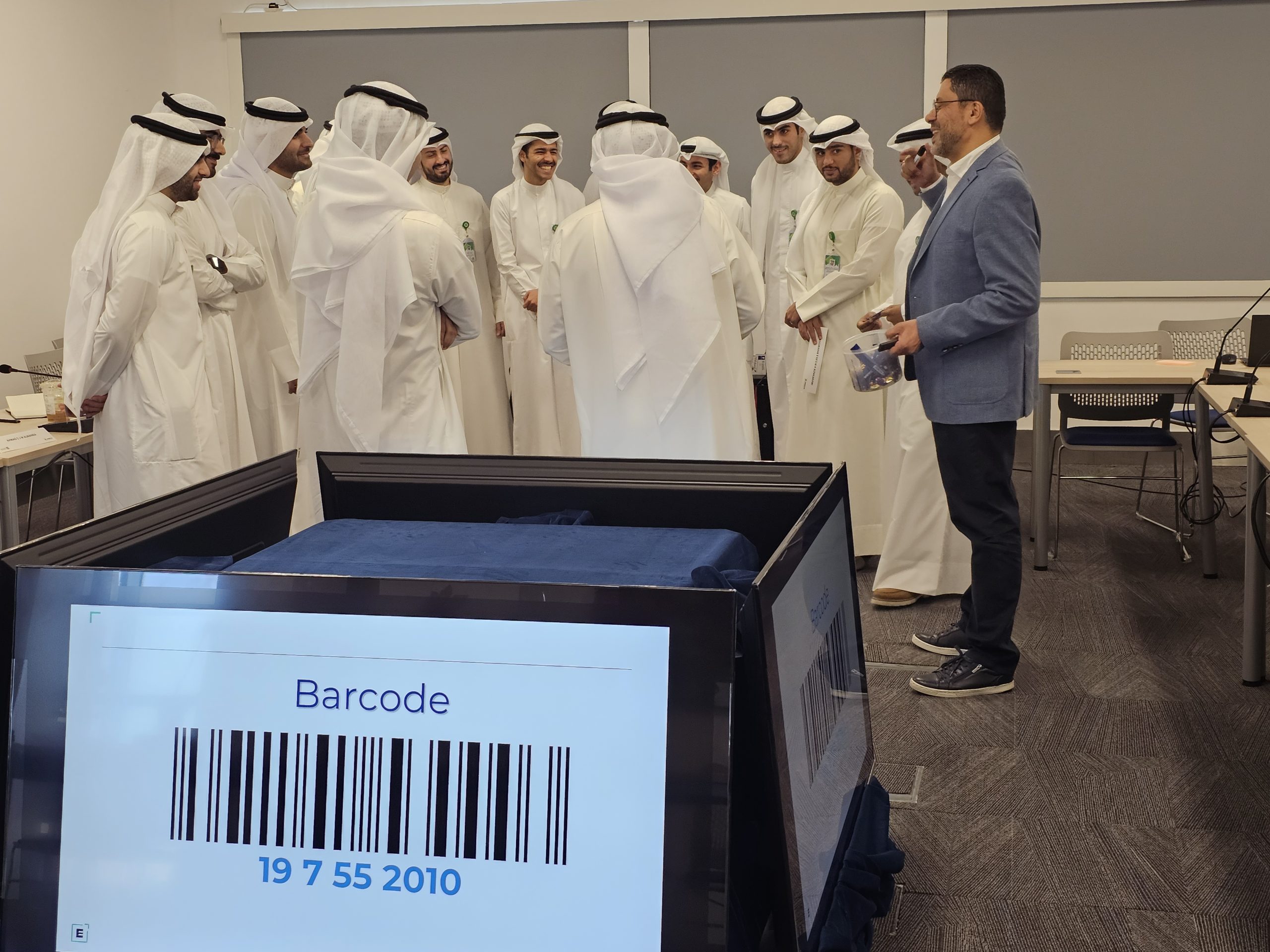
South Asia, Multinational
Leadership transition through a regional services restructuring
A global industrial services business, South Asia regional leadership
A global industrial services organization facing structural change in its South Asia operating model needed its regional leadership team to land the new structure with cohesion rather than friction. The existing leadership cohort had inherited the structure rather than designed it; the transition risk was that performance would dip in the first two quarters of the new year while leaders re-established roles.
Read the case study
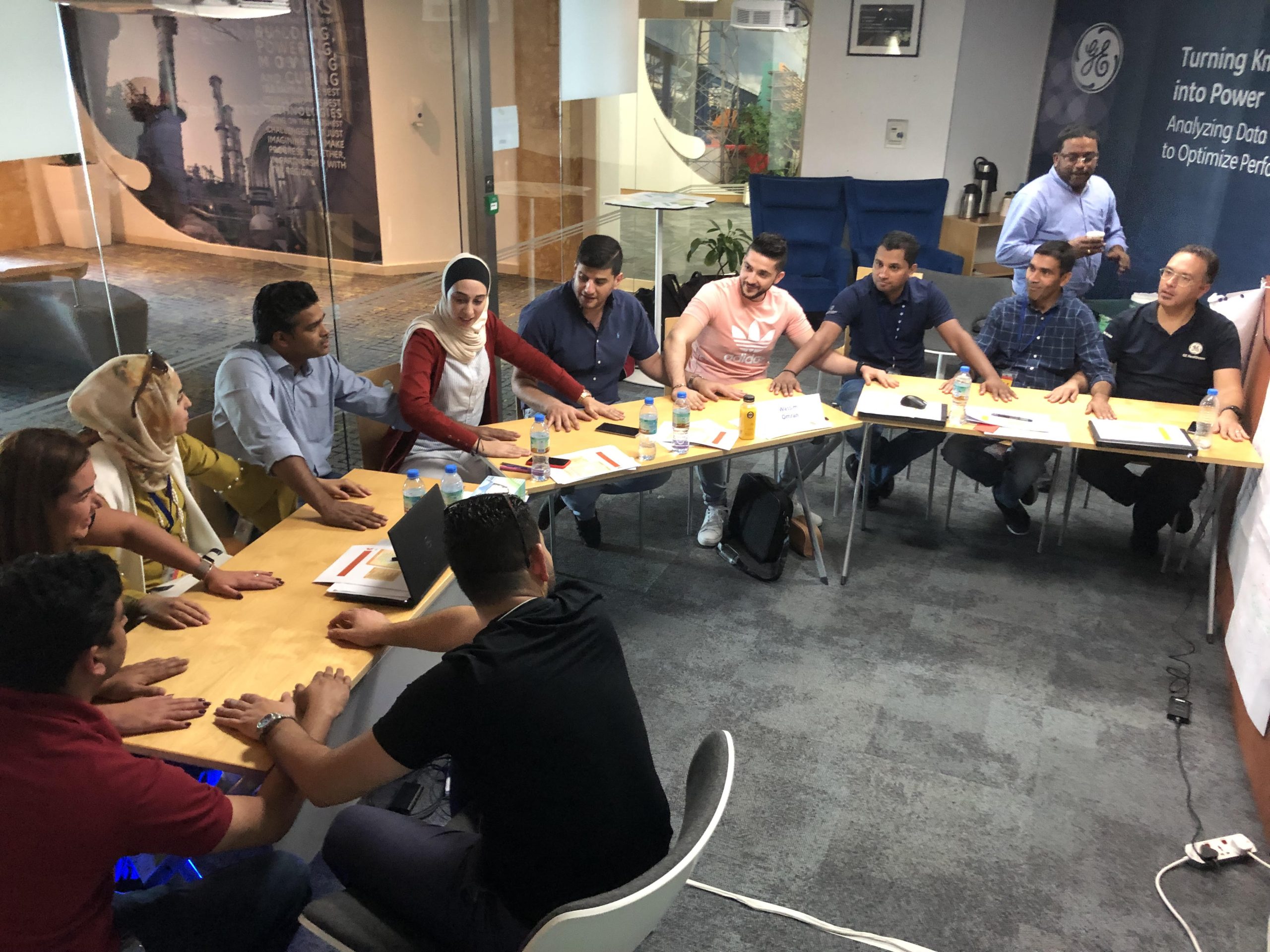
Multi-region, Global
Executive presence development for a global leadership cohort
Global Medical Reimbursement leadership team, multinational healthcare
A global function within a multinational healthcare organization had grown its senior leadership team rapidly through internal promotion and acquisition. Technical credibility within the team was strong; senior-stakeholder credibility, the ability to brief the corporate executive committee, hold the room with regulators, take a hostile question without losing weight, was inconsistent and limiting career progression for several otherwise high-performing leaders.
Read the case study
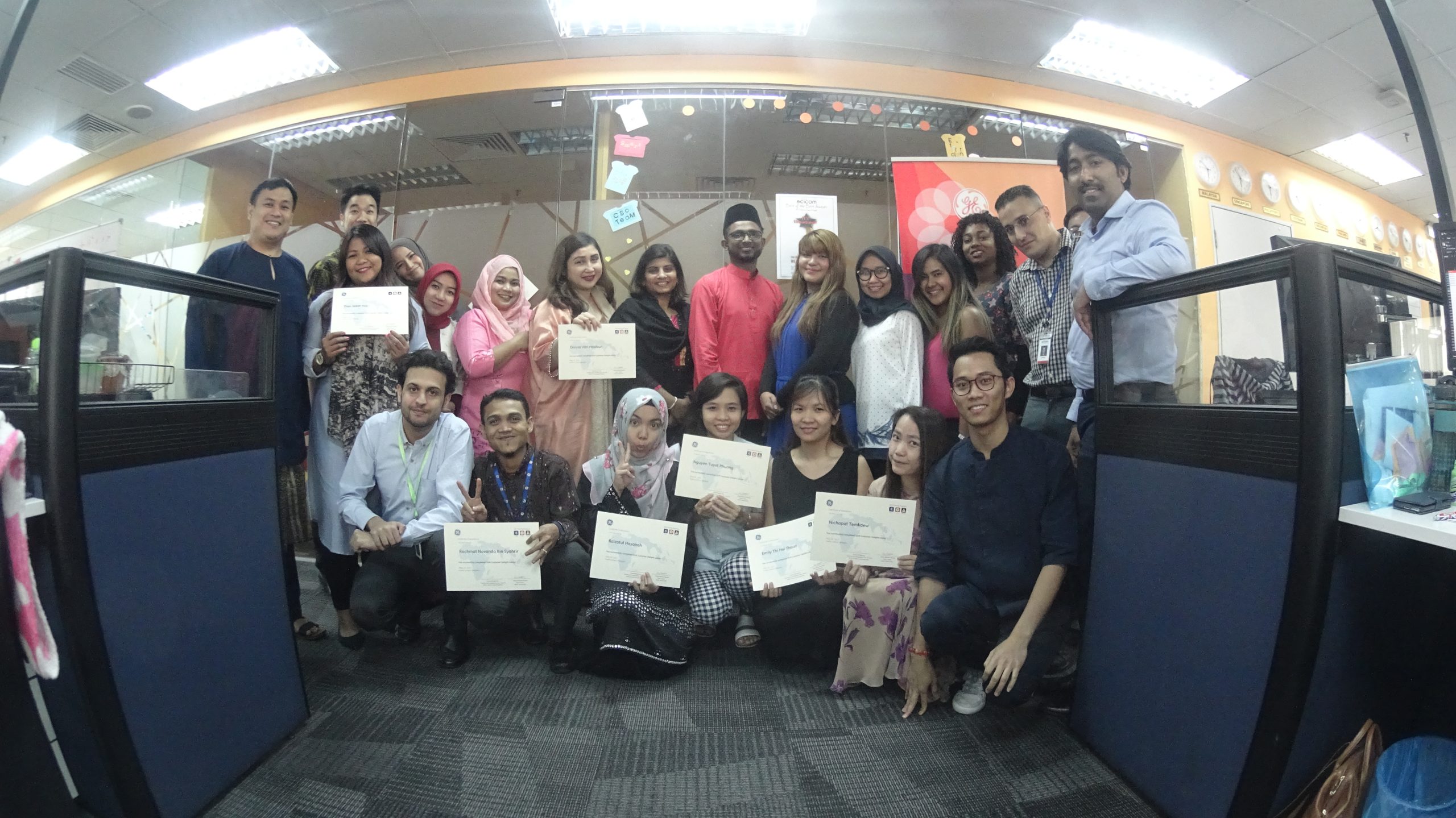
Africa, Regional
Decision-making under volatility for a regional product-marketing leadership team
African regional product marketing leadership, multinational medical-device organization
A regional product-marketing leadership team operating across multiple African markets faced compounding volatility, currency, regulation, channel structure, at a pace that exceeded the organization's central decision rhythm. Senior leaders were defaulting to wait-and-see decision postures because the cost of being wrong felt asymmetric to the cost of waiting. Regional performance was suffering for it.
Read the case study